What does it mean?
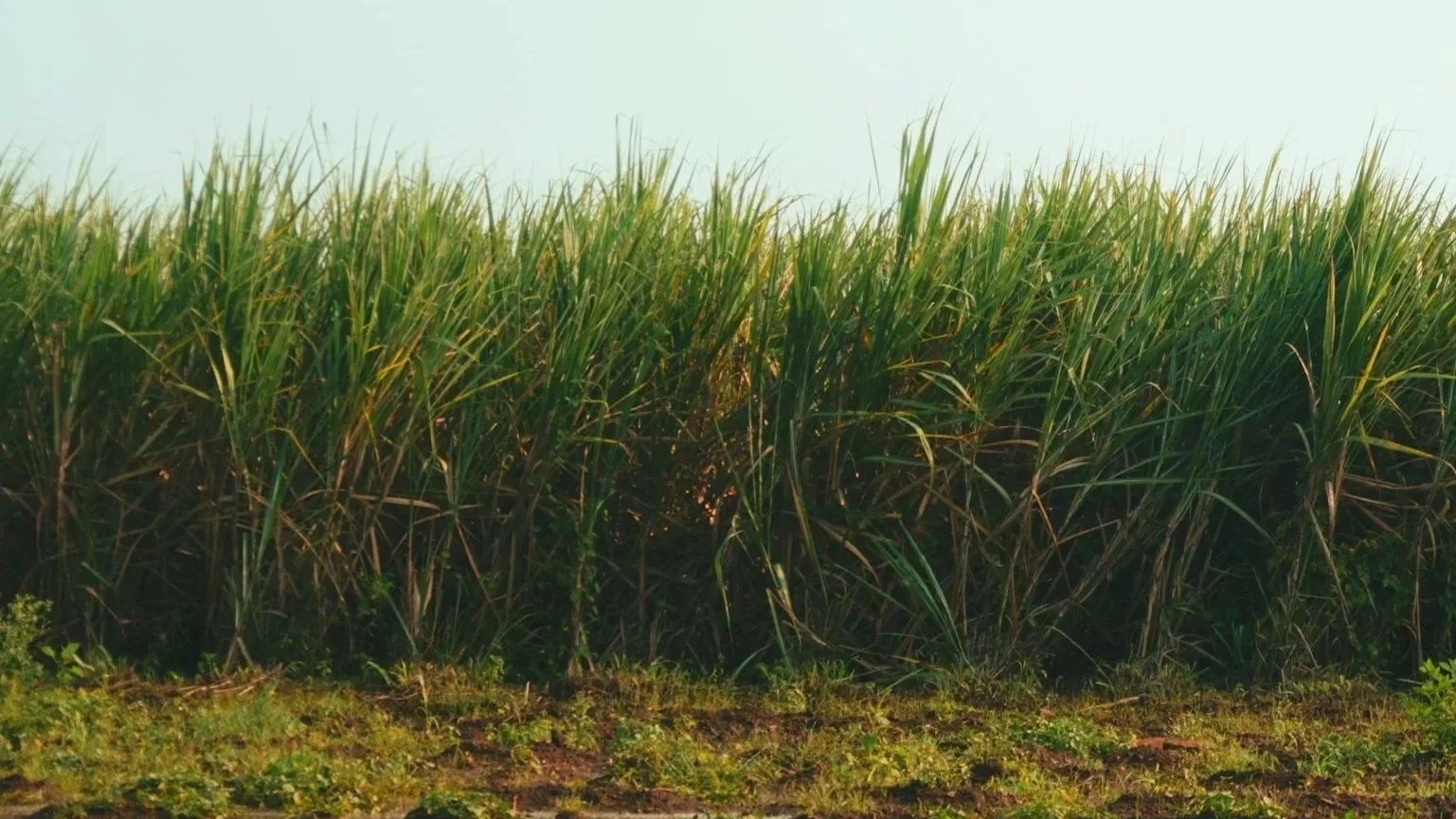
Sakada is a Visayan word for "seasonal farm worker." Between 1906 and 1946, 125,917 Filipino men and women were recruited to work Hawaii's sugar plantations; an industry that itself was never wanted by Native Hawaiians, built on land and labor systems imposed through colonization. As the Native Hawaiian workforce declined under the weight of that same system, plantation owners recruited across Asia, deliberately mixing ethnicities to keep workers divided and unable to organize. For Filipino recruits, the plantations were a foreign harm layered onto a foreign land and, unavoidably, a source of income their families needed. Most Sakadas came with one goal: send money home. What they found instead was grueling labor bordering on indentured servitude. What they built in response was community: organizing across ethnic lines into labor unions that fought for fairer wages and conditions, often at great personal cost.My tatang (great-grandfather), born and raised in Ilocos Sur, was one of them. His decision to leave his family became one of the first building block of my family's eventual immigration to California. He couldn't have known the impact of that choice 90 years later; he made it with the information he had, in the moment he had it.I carry this story into my work because it holds a shared sentiment I often see in the children of immigrants: the pull between cultures, the systems that quietly shape our choices, and the reality that some decisions can't fully satisfy every part of who we are. Sakada Counseling is named for that complexity, and for the resilience that meets it.